An Expert Guide to Digital Anxiety Self-Screening: Tools, Benefits, and Best Practices
- 1 December 2025
Understanding Anxiety Self-Screening in the Digital Era
Modern mental health care increasingly meets people where they are, and that often means a phone, tablet, or laptop. Self-screening offers a gentle on-ramp for anyone curious about their stress levels, daily worries, or persistent unease. By answering short, research-informed prompts, people gain a clearer picture of how symptoms affect work, relationships, sleep, and motivation. This early visibility can inspire timely conversations with professionals or trusted peers, creating momentum toward relief.
Digital formats make the process approachable and private. Rather than waiting for an appointment to discuss vague concerns, you can quickly survey experiences like racing thoughts, muscle tension, restlessness, or sudden spikes of fear. These self-checks are not diagnostic; they are directional tools that flag patterns worth exploring. Many platforms also include supportive tips after you submit answers, which can nudge you toward coping strategies tailored to your results. When a tool is designed with validated items, the results align more closely with clinical understanding and give you language to describe what you feel.
Another reason these screenings are helpful is immediacy. Clear feedback arrives right after you click submit, and it usually breaks down scores into understandable ranges, such as mild, moderate, or severe. That straightforward framing helps people decide what to do next, whether to try a self-care plan, speak with a counselor, or schedule a comprehensive evaluation. Convenience, clarity, and confidentiality combine to make digital self-screening a smart first step when uncertainty is high and energy is low.
How Online Assessments Work and What to Expect
Most digital assessments follow a simple flow: you respond to a sequence of statements about how often certain feelings occur, choose from options like “not at all” to “nearly every day,” and then receive feedback. This experience is typically mobile-friendly, requires only a few minutes, and keeps your responses private. Because items are written to mirror common symptoms, they capture a realistic snapshot of recent weeks instead of focusing on isolated incidents. Clear instructions and neutral language further reduce friction, making it easier to answer honestly.
On reputable health sites and teletherapy portals, an anxiety screening questionnaire online translates your responses into a score interpreted against established ranges, which helps you recognize whether your level of distress may merit follow-up. It’s normal to worry about what your results mean, and that’s why many tools pair scores with action-oriented guidance. You may see suggestions to monitor changes over two weeks, consider scheduling a consult, or try evidence-based practices like breathing exercises or cognitive restructuring. These suggestions are not medical directives; they function as practical guardrails while you consider next steps.
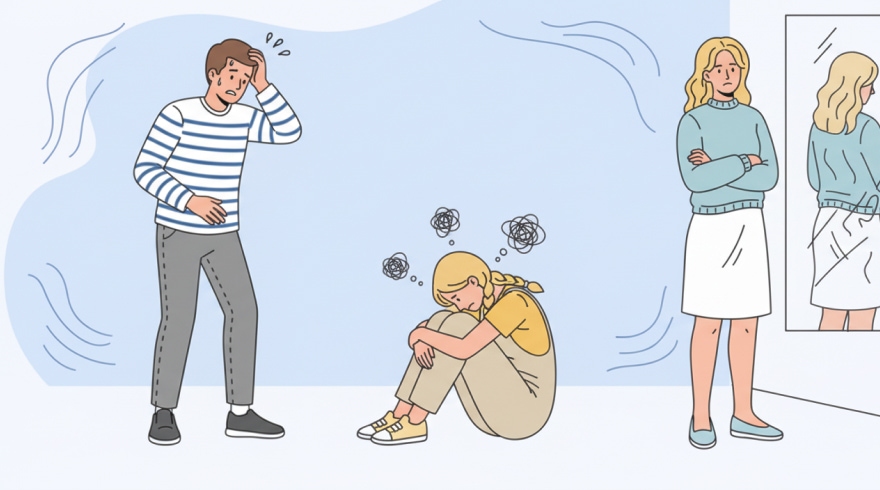
Expect brief, focused sections that ask about tension, irritability, restlessness, difficulty concentrating, sleep disruptions, and physical unease such as stomach knots or a pounding heartbeat. The most helpful platforms are transparent about data handling and provide disclaimers clarifying that the screening is educational, not diagnostic. If your results fall in a higher range, thoughtful resources often appear, including crisis options or links to licensed providers. This structure respects both autonomy and safety, allowing you to move at a comfortable pace without losing access to supportive pathways.
Comparing Popular Formats, Time Needed, and Use Cases
Choosing the right tool can reduce friction and improve follow-through. Some people want a lightning-fast pulse check, while others prefer a more thorough scan. The format matters, too. Brief instruments are great for frequent check-ins, and longer ones provide nuance when you want richer detail. If you’re preparing for a first appointment, a structured summary can make the conversation smoother by highlighting patterns that might otherwise be hard to explain.
The overview below contrasts common attributes people care about: average completion time, depth, and typical next step. These details are approximate, but they illustrate how each option supports a specific goal. A quick screen helps you decide whether to keep observing or take action, whereas a more comprehensive format can prime you for goal-setting with a clinician. You can use this comparison to match your time constraints and clarity needs without guesswork.
| Format | Avg. Time | Depth | Typical Next Step |
|---|---|---|---|
| Ultra-brief check (3–5 items) | 1–2 minutes | Snapshot | Monitor and repeat in a week |
| Standard self-assessment (7–10 items) | 2–4 minutes | Focused | Consider consult if results are moderate+ |
| Expanded survey (15–25 items) | 5–8 minutes | Nuanced | Discuss with a licensed professional |
| Symptom plus impact inventory | 8–12 minutes | Comprehensive | Plan targeted interventions |
When comparing these choices, consider your purpose. A quick check works well if you’re tracking change while adjusting sleep, caffeine, or exercise. A more detailed inventory helps when you need language to describe how symptoms affect productivity, social plans, or parenting. Remember that none of these tools can diagnose; they are conversation starters. After you’ve found a format that fits, it’s wise to repeat the same measure over time so you can see genuine trends rather than one-off spikes or dips.
- Use short forms for weekly or biweekly pulse checks.
- Choose expanded forms before therapy intakes.
- Favor tools with plain-language explanations of score ranges.
- Look for clear privacy statements and opt-in data settings.
Privacy, Accuracy, and What to Do After a Result
Privacy is non-negotiable when exploring sensitive health topics. Trusted platforms explain how data is stored, whether it’s encrypted, and who, if anyone, can see your results. They clarify that your participation is voluntary and that you can delete entries if you change your mind. Accuracy depends on validated items, consistent scoring, and transparent cutoffs, all of which should be easy to find in the help or about section. When a tool cites peer-reviewed research and validation studies, you can be more confident in the guidance it provides.
If your results suggest meaningful distress, next steps might include documenting triggers, practicing grounding techniques, or setting up a session with a licensed clinician. For those who prefer paper-based options, a anxiety screening questionnaire serves as a convenient companion you can review during an appointment to make sure nothing gets missed. It helps to pair the score with concrete examples, like noting how worry affects sleep latency or how muscle tension flares during commutes. These details turn a number into a story your clinician can act on.
Actionable follow-through often blends small lifestyle adjustments with professional input. Many people benefit from cognitive behavioral strategies, structured sleep routines, and pacing plans that break big tasks into manageable pieces. If you’re using telehealth, portals usually let you message providers, upload notes, or retake screenings between visits. Over time, this feedback loop helps you see which interventions move the needle. If your results ever land in a severe range or you encounter thoughts of self-harm, contacting urgent support is the right next step, and reputable sites clearly surface those resources.
FAQ: Common Questions About Digital Anxiety Self-Screening
How accurate are online self-screening tools for worry and tension?
Well-constructed tools use validated items and standardized scoring, which improves reliability for indicating potential concern areas. They do not replace comprehensive evaluations, but they do a strong job at triaging whether further assessment could be useful. For the best results, answer honestly and focus on the past two weeks to minimize recall bias and situational noise.
Will my responses be private and secure when I complete a digital check?
Reputable providers outline encryption practices, access controls, and data retention policies in plain language. Look for clear privacy statements and options to delete your data. If the platform describes how results are stored and whether they’re shared with third parties, you can make an informed decision before submitting any information.
How should I interpret score ranges after I finish a quick assessment?
Most screens categorize totals into bands like mild, moderate, or severe, and they pair those bands with practical next steps. Treat these ranges as guidance rather than a diagnosis. If you land in a higher band, consider booking a professional consultation and begin tracking symptoms to give your provider concrete examples to review together.
What actions can I take right away if my results suggest elevated symptoms?
Start with small, evidence-based steps such as scheduled worry time, diaphragmatic breathing, and wind-down routines for sleep. Combine these with a plan to speak to a licensed clinician, particularly if symptoms interfere with work or relationships. If risk increases or you feel unsafe, escalate to urgent supports without delay.
How often should I repeat a self-check to track changes over time?
Weekly or biweekly intervals work well for most people, especially when habits or treatments are changing. Use the same instrument consistently so trends are clearer. Keep notes about context, including major events, caffeine changes, or illness, because these factors can temporarily shift how symptoms show up in daily life.
Latest News
-
![Your Guide to Social Anxiety Questionnaire]()
- 3 December, 2025
-
![Anxiety Disorder Questionnaire: Structure, Scoring, and Smart Use]()
- 2 December, 2025
-
![A Comprehensive Guide to Screening Tools for Childhood Anxiety]()
- 28 November, 2025