Your Guide to Social Anxiety Questionnaire
- 3 December 2025
What a Social Anxiety Assessment Covers
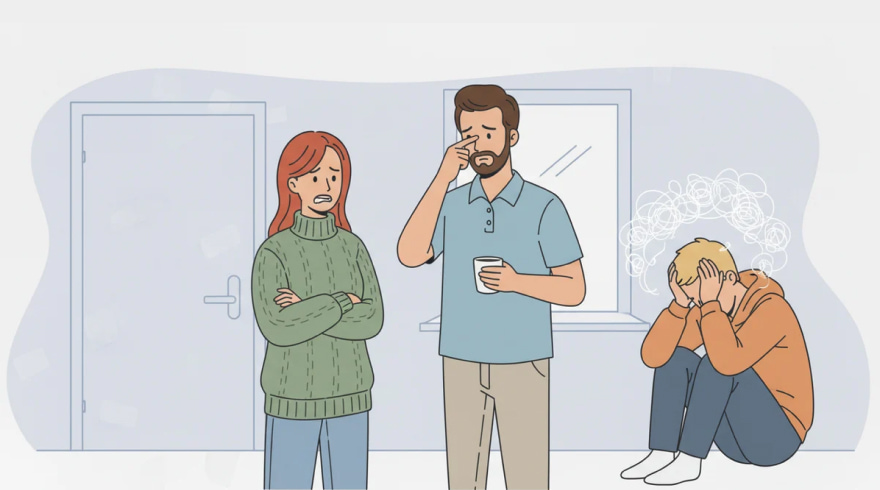
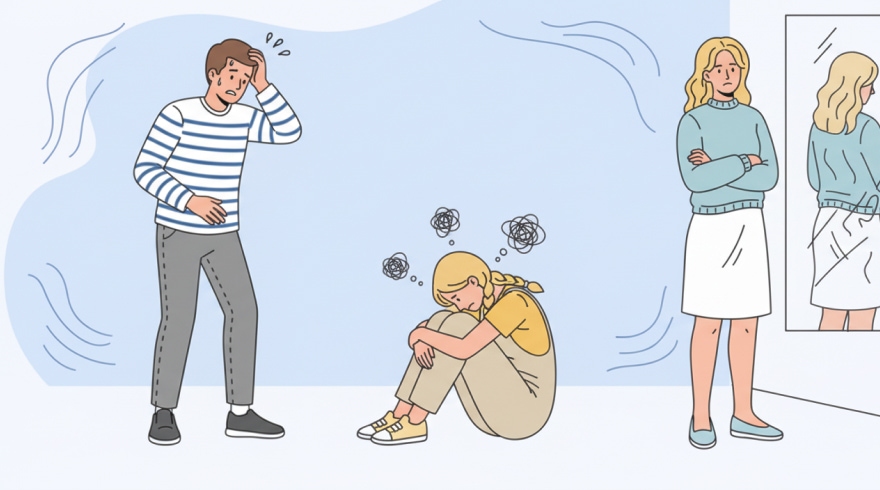
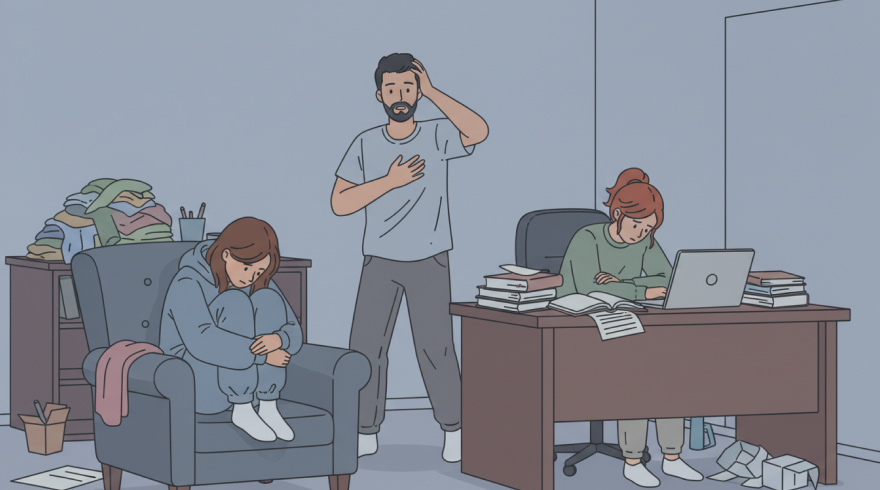
People often notice that stress in conversations, meetings, or public settings can seem out of proportion to the situation, yet it still feels overwhelming. A thoughtfully designed assessment helps translate those invisible experiences into visible data, turning sensations like dread, rumination, and avoidance into patterns that can be reviewed. This process does not label you; instead, it offers a structured snapshot of frequency, intensity, and triggers. By unpacking elements such as anticipation, safety behaviors, and after-event analysis, a well-built tool shows where fear clusters and where confidence already exists.
Clinicians and researchers use standardized item sets to ensure the same concepts are measured reliably across time and contexts. Many readers benefit from a social anxiety questionnaire because it clarifies which social situations spark distress and which coping moves reduce discomfort. Rather than guessing, you gain a benchmark that can be compared with future check-ins to see whether skills training or therapy is working. The result is a common language for you and any professional you choose to involve, enabling collaborative decisions that are grounded in evidence. Over time, this perspective reduces uncertainty and turns progress into something you can chart and celebrate.
Why Measuring Social Anxiety Helps Treatment and Self-Knowledge
Effective change begins with noticing, naming, and normalizing the sensations that accompany social threat. Measurement provides a stable reference point, so fluctuations in mood or context do not distort your understanding. When you document triggers and coping strategies methodically, trends appear that are tough to spot in daily life. These insights support targeted experiments, like graded exposure or cognitive reframing, that work best when guided by precise data.
When you want actionable feedback, a questionnaire social anxiety format organizes thoughts and feelings into specific domains that you can influence. This is a practical foundation for setting goals you can actually reach, such as speaking up once per meeting or initiating a short conversation with a colleague. The clarity you gain also helps you share an accurate story with friends, family, or a therapist, which often increases support and reduces shame. With repeated use, the assessment helps you pivot from avoidance to approach with less doubt and more direction.
- Reveal hidden patterns that keep avoidance cycles going.
- Track progress with objective, comparable scores.
- Prioritize the skills that yield the biggest gains first.
- Facilitate clear conversations with coaches or clinicians.
- Boost motivation by making improvements visible.
Structure, Scales, and Scoring Explained
Most evidence-based instruments are built around short statements that you rate by frequency or intensity, often on a five-point scale. Items probe anticipatory fear, in-the-moment anxiety, and post-event rumination, capturing the full arc of social threat. Good measures balance breadth and brevity, so you can complete them quickly while still producing diagnostic clarity. Scoring typically aggregates domain totals and a global score, which are then interpreted along a continuum from minimal to severe impact. Interpreting any result works best when paired with contextual notes about recent stressors, sleep, or health conditions, which can influence scores.
| Domain | Example Item | High Scores Suggest |
|---|---|---|
| Anticipation | “I worry for hours before a meeting.” | Forecasting threat and over-preparation |
| Performance | “My hands shake when I speak to a group.” | Physiological arousal during social tasks |
| Safety Behaviors | “I avoid eye contact to feel safer.” | Short-term relief that sustains anxiety |
| Post-Event Processing | “I replay conversations and judge myself.” | Rumination that magnifies perceived errors |
Clinics often select instruments that have strong reliability statistics, peer-reviewed validation, and clear clinical cutoffs. Many care teams appreciate a social anxiety disorder questionnaire because it distinguishes general nervousness from patterns that significantly impair work, school, or relationships. Reliability across diverse populations matters, so modern tools are refined with inclusive samples and translated versions to reduce bias. When your score suggests elevated severity, professionals may recommend a blended plan that can include psychoeducation, skills practice, and, if indicated, medication. Whatever your score, framing results as a starting point rather than a verdict keeps the process compassionate and change-focused.
Age-Specific Versions and Developmental Nuance
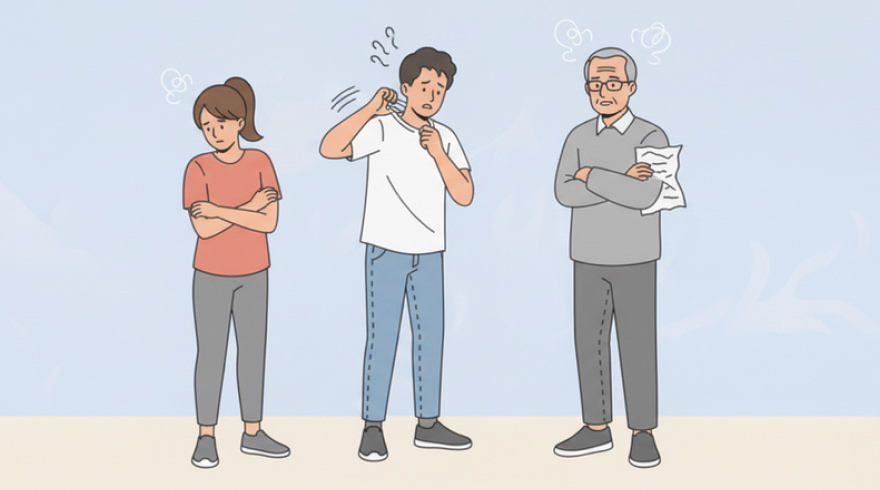
Age changes how social threat shows up, which is why tailored versions of assessments are so useful. Younger people may experience anxiety around classroom participation, while older individuals might struggle with networking or leadership visibility. Wording and examples should make sense for the person completing the form, or else items can be misunderstood and results distorted. In addition, developmental stage influences coping strategies, from avoidance in school lunchrooms to strategic delegation in offices. By aligning items with life context, the instrument becomes more accurate and more motivating to complete.
Caregivers and educators often look for tools that fit both reading level and life experience when supporting youth. Many schools appreciate a social anxiety questionnaire children because it highlights classroom triggers and peer interactions that can be coached. Guidance counselors can pair the results with brief skills sessions that teach breathing, self-compassion, and micro-exposures. When data is shared thoughtfully, it fosters a supportive circle among teachers and families without pathologizing normal shyness. Early identification allows resilience-building before avoidance patterns harden into habits.
Adolescence adds unique social complexity, from identity exploration to constantly connected digital life. High school staff may use a social anxiety questionnaire teens to capture fears around presentations, group projects, or team sports. Results can inform small, achievable steps like volunteering a single comment in class or practicing with a trusted peer. Coaches, mentors, and parents can coordinate around the same plan so gains accumulate rather than reset between settings. Recognizing progress, no matter how modest, builds momentum and self-efficacy during this pivotal period.
- Match items to real daily situations for accuracy.
- Use age-appropriate language to reduce confusion.
- Share results with a trusted adult when helpful.
- Celebrate small wins to reinforce approach behaviors.
Taking a Secure Assessment Online
Digital access makes measurement convenient, yet quality still matters more than speed. Look for tools from credible organizations, with transparent information about validation, scoring, and privacy. Secure platforms should use encryption, clear consent, and a straightforward explanation of how your data is stored and used. If a site feels vague about these basics, consider that a red flag and move on to a reputable source. Saving a PDF of your results can be useful for personal tracking or sharing with a clinician later.
People who prefer anonymity often appreciate completing a social anxiety disorder online questionnaire through a trustworthy portal that protects confidentiality. Before starting, close unnecessary apps, silence notifications, and choose a time when you feel calm and focused. After finishing, jot down a few observations about your week to give context to the score you received. If the result feels surprisingly high or low, retake the measure in a few days and compare the outcomes. Consistency across two or three administrations increases confidence that the score reflects your typical experience.
- Verify the publisher’s credentials and peer-reviewed backing.
- Read the privacy policy before submitting any responses.
- Keep a personal log to track scores over time.
- Discuss results with a professional if impairment is significant.
Tailoring for Adults and Diverse Populations
Adulthood multiplies social demands, from job interviews and leadership roles to parenting meetings and neighborhood gatherings. An effective assessment should account for these domains and acknowledge cultural and occupational norms. For some, the hardest moments occur in high-stakes visibility; for others, casual small talk is the sticking point. Capturing those differences helps inform targeted practice, like briefing before presentations or rehearsing openers for informal chats. When the measure mirrors your world, it becomes a map you can actually use.
Workplaces and clinics often rely on a social anxiety questionnaire for adults to understand how anxiety affects performance reviews, teamwork, and client-facing tasks. Managers who respect privacy can support reasonable adjustments, such as agenda previews or gradual exposure to public speaking. Meanwhile, individuals can practice skills like diaphragmatic breathing, cognitive defusion, and values-based goal setting. Combining small environmental tweaks with personal strategies produces compounding gains. Over months, many notice less anticipatory dread and more willingness to step forward.
Equitable care recognizes that gendered expectations can shape how distress looks and how it is reported. Youth programs sometimes reference a social anxiety questionnaire for boys to explore whether performance fears are masked by humor, quietness, or irritability. Training mentors to ask about internal experiences, not just visible behavior, reduces missed cases. Community organizations can pair screening with strengths-based activities that reward courageous attempts rather than perfect outcomes. This framing keeps the focus on growth, not flaw-finding, which encourages continued engagement.
- Align items with real adult roles and responsibilities.
- Respect cultural differences in communication styles.
- Balance skill-building with supportive environmental changes.
- Track outcomes that matter to you, like meetings attended or conversations initiated.
FAQ: Common Questions Answered
How accurate are these assessments?
Well-validated instruments demonstrate strong reliability and correlate with clinical interviews, especially when used more than once across different weeks. Accuracy improves when you answer honestly, consider recent stressors, and add brief notes about context. Results should guide discussion and experimentation, not serve as a fixed label. If your score suggests impairment, consider talking with a qualified professional who can integrate the data with your history.
Do I need a diagnosis to benefit from measuring?
No diagnosis is required to gain value from structured self-assessment, because the aim is insight and action. Many people use their scores to plan tiny, sustainable steps that reduce avoidance and increase meaningful participation. When paired with skills practice, tracking fosters a sense of agency. Over time, the data helps you see which strategies are working and where to pivot.
How often should I retake the assessment?
Retesting every two to four weeks strikes a good balance between sensitivity and stability. This interval allows enough time for interventions to create detectable change without letting memory of your baseline fade. If you start a new therapy module or face a major life event, consider an extra check-in. Consistency in timing and conditions improves the usefulness of your comparisons.
Can my child or student use one of these tools?
Age-appropriate versions exist that use clear language and relatable situations for younger respondents. Parents and teachers sometimes choose a social anxiety questionnaire kids when they want early insight without overwhelming the child. Discuss results with empathy and focus on small experiments that feel safe. Reinforcing effort rather than perfection makes practice more sustainable and less intimidating.
What should I do after I receive my score?
Begin by noting one or two domains with the highest impact, then design a small, repeatable experiment to test in the coming week. Share your plan with a supportive friend or clinician, and schedule a time to review results. If scores are high and daily life is disrupted, consider a formal evaluation to discuss therapy options. Remember that numbers are tools to help you move toward a life you care about.
Latest News
-
![Anxiety Disorder Questionnaire: Structure, Scoring, and Smart Use]()
- 2 December, 2025
-
![An Expert Guide to Digital Anxiety Self-Screening: Tools, Benefits, and Best Practices]()
- 1 December, 2025
-
![A Comprehensive Guide to Screening Tools for Childhood Anxiety]()
- 28 November, 2025