Separation Anxiety Questionnaire: A Comprehensive Guide to Assessments
- 27 November 2025
Understanding Adult Separation Anxiety and Why Screening Matters
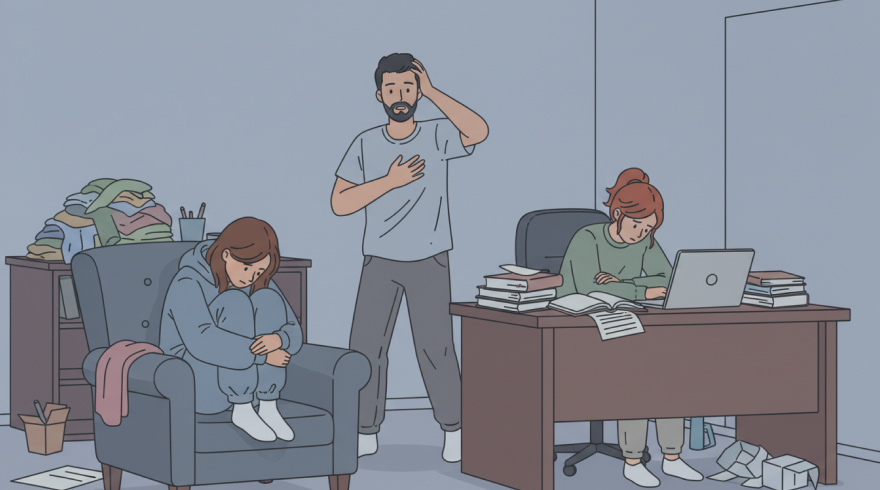
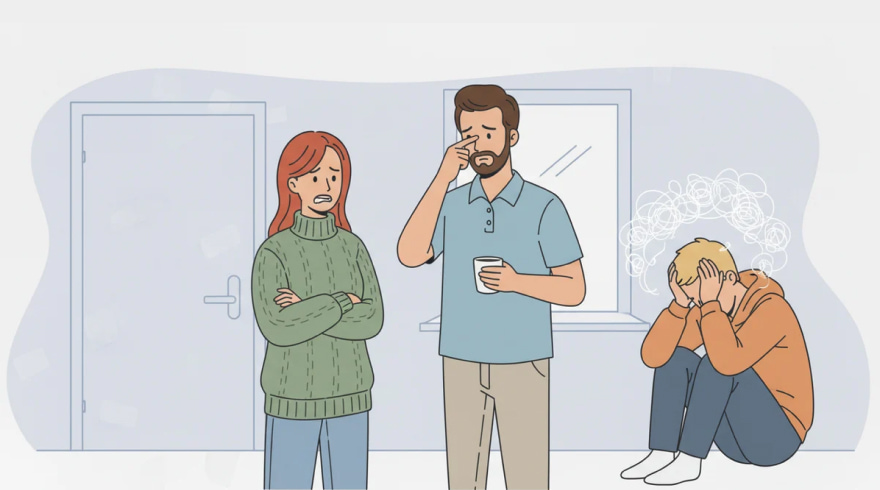
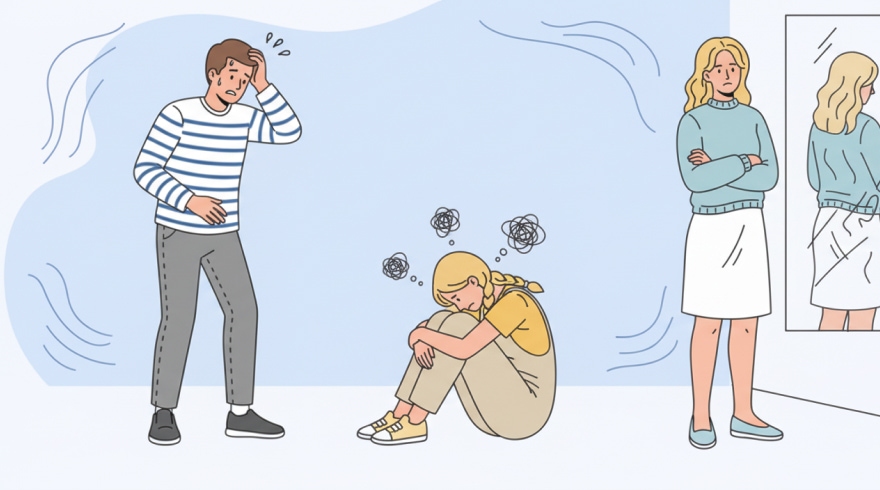
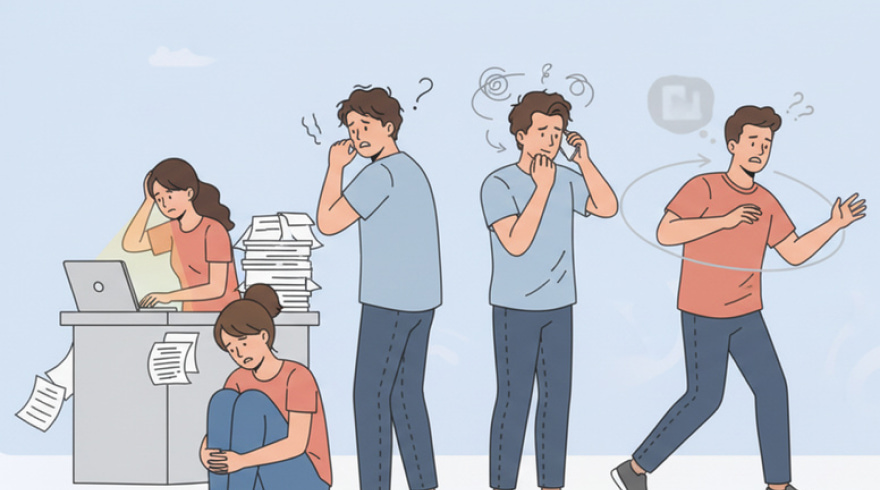
Feeling panicky, restless, or hypervigilant when apart from a loved one or a safe place is more common in adulthood than people realize. The emotional pull of attachment can become so intense that it interferes with work, relationships, travel, and sleep. Adults may cancel plans, avoid overnights, or repeatedly check in with partners for reassurance because absence triggers disproportionate distress. While these reactions are human, persistent patterns can signal a clinically meaningful problem that benefits from structured evaluation and supportive care.
A carefully designed screening tool offers a low-friction way to transform vague discomfort into observable data. Instead of relying on memory alone, you mark how often specific experiences occur, whether you fear something terrible will happen to a loved one, or if you struggle with being alone at home. Aggregated scores spotlight severity, while item clusters illuminate which triggers, such as nighttime, travel, or transitions, cause the most difficulty. This information proves useful for self-awareness, for clinicians mapping a care plan, and for researchers studying how anxiety behaves across lifespan and contexts.
Importantly, a screening instrument is not a diagnosis on its own. Rather, it acts like a compass, indicating a likely direction and suggesting when to seek a thorough clinical assessment. Combined with a thoughtful interview, it becomes a reliable starting point for evidence-based strategies, such as cognitive-behavioral therapy, attachment-informed approaches, skills training, and lifestyle adjustments that reduce avoidance and build confidence.
What These Tools Measure and How They Help Everyday Decisions
Good instruments focus on experiences tied to separation-related fear, including anticipatory anxiety, catastrophic thinking about loved ones, and behaviors that reduce distance at any cost. You might see items addressing nightmares about loss, physical symptoms during partings, or difficulty sleeping alone. Subscales often group items by domains, distress, avoidance, impairment, so you can see not only if anxiety is present, but how it affects functioning. This granularity is helpful when creating small, realistic goals that gradually expand confidence.
Clinicians often pair self-report ratings with observations and history to see patterns over time. They might discuss travel hesitancy, persistent calling or texting, and rituals that make being apart feel tolerable. In that context, many adults complete a questionnaire for adult separation anxiety alongside a brief interview, giving both numbers and narrative to guide next steps. The result is a readable snapshot that flags hot spots, like Sunday-night dread before a work trip, and highlights strengths, such as coping skills you already use. With clearer data, you can choose practical adjustments for daily life, including communication plans, graded exposure, or grounding strategies that make independence feel safer.
Structure, Scales, and Scoring: From Items to Insight
Most instruments use Likert-type scales that ask how frequently or intensely you experience specific thoughts and behaviors. Formats typically range from “never” to “always,” or “not at all” to “extremely,” enabling nuanced scoring without making the process burdensome. Items are phrased plainly to reduce confusion, and they aim to capture both internal states (worry, dread, intrusive images) and external patterns (avoidance, checking, reassurance seeking). Clear instructions and consistent response options help you answer quickly and honestly.
| Component | What It Captures | Typical Response Style | Why It Matters |
|---|---|---|---|
| Distress Items | Fear, tension, and somatic arousal during separations | Frequency or intensity scale | Quantifies emotional load to track change over time |
| Avoidance Items | Behaviors like canceling trips, clinging to routines, or not sleeping alone | Behavioral frequency scale | Reveals patterns that maintain anxiety via short-term relief |
| Impairment Items | Impact on work, relationships, and daily logistics | Functional interference scale | Clarifies when normal concern crosses into dysfunction |
| Trigger Clusters | Specific contexts such as travel, nights, or transitional periods | Context-specific ratings | Targets exposure and coping plans precisely |
Raw scores are often summed and compared to suggested ranges that indicate minimal, mild, moderate, or severe concerns. Percentile ranks and symptom clusters give additional clarity, especially when progress is reviewed after a few weeks of practice. Many researchers build studies around a separation anxiety questionnaire because its standardized format allows reliable comparisons across groups and time points, making it a strong backbone for both clinical audits and scientific trials. Interpreted with clinical judgment, results point to pragmatic strategies, like graded time apart, communication contracts, or skill-building plans, that enhance autonomy without dismissing real attachment needs.
Key Benefits and Practical Applications for Adults
Beyond identification, a well-crafted tool acts like a roadmap for change. It outlines which moments create the most friction, so you can experiment with targeted strategies rather than generic advice. For instance, if evenings are a major trigger, you can build a calming wind-down routine, tweak lighting, and schedule a supportive check-in that doesn’t become compulsive. When travel is the challenge, you can start with micro-distances, rehearsed coping statements, and planned activities that keep you engaged without constant phone checking.
Another benefit is communication. Sharing a concise summary of patterns helps loved ones understand what’s happening, preventing misinterpretations like “You don’t trust me” or “You’re being dramatic.” When everyone sees the same pattern, it’s easier to collaborate on healthy boundaries. Over time, repeated measurements reveal progress you might otherwise overlook, such as fewer cancellations, calmer mornings, or briefer spikes of worry.
- Clarifies triggers so coping strategies can be highly specific.
- Tracks change across weeks to reinforce momentum and persistence.
- Supports collaborative planning with partners and clinicians.
- Guides stepwise exposure instead of overwhelming leaps.
- Reduces stigma by framing experiences as patterns that can shift.
Ultimately, the right tool translates complexity into action, empowering you to practice independence in manageable increments while honoring genuine attachment bonds.
How to Prepare, Respond Honestly, and Get Reliable Results
Preparation improves accuracy. Choose a calm time to respond, gather a week or two of observations if possible, and plan to answer consistently. Consider common situations, workdays, weekends, nights, travel, being home alone, and picture how you usually feel and act. If symptoms fluctuate a lot, answer based on an average week rather than your worst day. Avoid second-guessing what you “should” say, since polished responses may look ideal but fail to reflect your lived experience.
Anchoring examples help: recall your last time apart, remember the physical sensations, and note behaviors you used to cope. Some adults notice that early experiences shaped current patterns, and they might even have encountered a child separation anxiety questionnaire during previous screenings, which can contextualize a lifespan trajectory. If you feel ambivalent while responding, take a short break and return with fresh focus. Honesty is the fastest route to insight, and insight is the shortest route to change.
- Answer based on typical weeks, not only crisis moments.
- Use recent examples to ground your ratings in specifics.
- Avoid minimizing or dramatizing; accuracy beats impression management.
- Record results and note any life events that may skew scores temporarily.
- Plan to retake the same instrument periodically under similar conditions.
Interpreting Results and Turning Scores Into a Plan
Once you have scores, resist the urge to label yourself. Numbers are guideposts, not verdicts. Consider both the total and the subscale patterns: you might show relatively modest distress but strong avoidance, or vice versa. That difference shapes the plan. If avoidance drives the bus, small exposure steps, like ten minutes alone at home, then twenty, then a short walk, teach your nervous system that proximity is not the only path to safety. If catastrophic thinking leads the cascade, cognitive techniques and soothing self-talk can reduce escalation.
Context matters as well. New parenthood, grief, a partner’s illness, or job relocation can temporarily elevate sensitivity. In those windows, compassionate adjustments beat rigid expectations. Tracking scores over time helps differentiate transient spikes from entrenched cycles, which informs whether to prioritize skill building, environmental tweaks, or professional support. Some people combine self-help strategies with therapy to accelerate change, while others prefer a gradual, self-directed approach supported by accountability check-ins.
- Match interventions to your highest-scoring domains for precision.
- Set small, measurable goals and celebrate incremental wins.
- Share patterns with a trusted person to build supportive structure.
- Reassess on a predictable schedule to confirm what’s working.
- Seek specialized care when impairment remains high despite steady practice.
FAQ: Common Questions About Adult Separation Anxiety Screening
How long does a typical adult screening take?
Most tools can be completed in 5–15 minutes, depending on the number of items and your pace. Brief scales are efficient for frequent check-ins, while longer forms provide richer detail for treatment planning.
Is a screening tool the same as a clinical diagnosis?
No, a screening highlights likelihood and patterns but does not establish a diagnosis. A qualified professional integrates results with interviews, history, and differential considerations before making formal conclusions.
What should I do if my score seems high?
Consider sharing results with a clinician who has experience in anxiety and attachment-focused care. In the meantime, start with gentle exposure steps, supportive routines, and grounding techniques to reduce avoidance.
Can repeated use help me track progress?
Yes, retesting under similar conditions allows you to see trends that may be hard to notice day to day. Keep notes about life events that might affect results so the data stays meaningful.
How can partners or family support the process?
Invite them to review patterns with you and agree on balanced communication plans that reduce compulsive checking while preserving connection. Collaborative, predictable routines often lower tension for everyone and make practice easier.
Latest News
-
![Your Guide to Social Anxiety Questionnaire]()
- 3 December, 2025
-
![Anxiety Disorder Questionnaire: Structure, Scoring, and Smart Use]()
- 2 December, 2025
-
![An Expert Guide to Digital Anxiety Self-Screening: Tools, Benefits, and Best Practices]()
- 1 December, 2025